Rhinolophidae
In the genus Rhinolophus, 77 species are recognized. These are small to medium-sized bats, some of which were formerly regarded as belonging to the family Hipposideridae. At first glance at Rhinolophus, one can notice special adaptations of the bat’s structure to the way members of the family use echolocation: horseshoe-shaped skin membranes on the nose, which are also the source of the Hebrew name (horseshoe + nose).
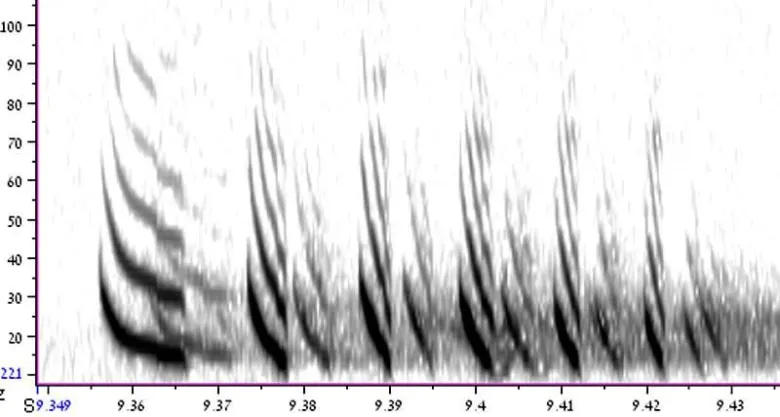
Rhinolophidae have long calls at very high frequency, often above 100 kHz. The call emitted from the nose is mainly of constant frequency, Constant Frequency, and produces a flutelike sound in a heterodyne detector. The ears are large, without a tragus, and the pinna follows the sounds in space quickly and accurately.
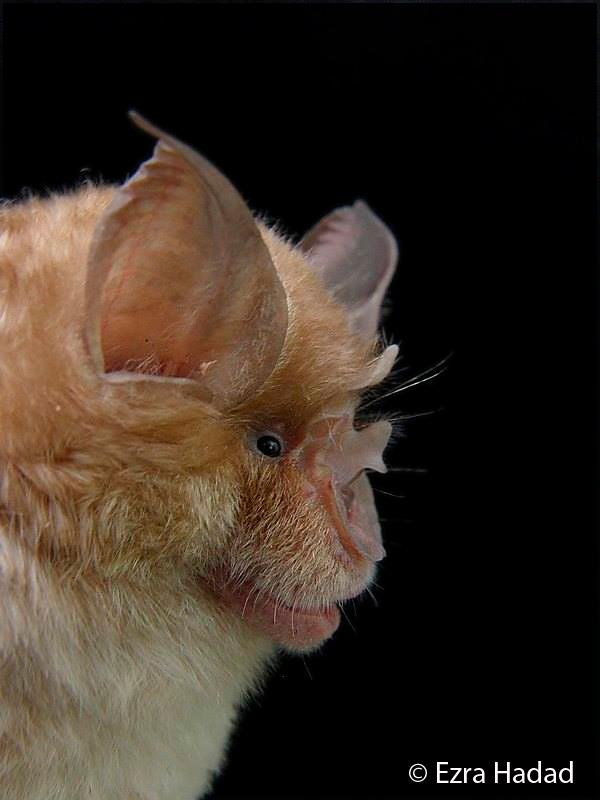
Six species of the genus Rhinolophus are known in Israel. Distinguishing between the medium-sized species (Rhinolophus hipposideros, Rhinolophus blasii, and Rhinolophus mehelyi) is very difficult in field conditions; this is another reason why the knowledge about them is limited. In any case, it is clear that they are in grave danger of extinction and perhaps even beyond that (see note in the entry on Rhinolophus mehelyi). To consult the species pages, you can use the drop-down menu or the following links:
Lesser horseshoe bat
Desert horseshoe bat
Greater horseshoe bat
Blasius's horseshoe bat
Mehely's horseshoe bat
Common horseshoe bat