Ein Gedi. Were you there?
I often conduct night tours in the desert regions of the country, and usually travel alone. Admittedly, from an environmental perspective, solo trips provide an especially powerful experience, but it must be said that in terms of cuisine (and perhaps hygiene too) they leave something to be desired. So, when I was recently offered the chance to stay overnight at the Ein Gedi Field School at the end of a night observation with a group and continue on a morning tour, I was very happy. Of course, upon hearing the verdict of a comfortable bed and a cooked meal, I put on a disappointed expression; after all, we are people of dust and desert: we do not openly admit that we prefer an equipped room to a sleeping bag. I planned to focus on the summary published here about hyenas and otters, and downplay the matter of the room, so that no one would suspect that I had become bourgeois and behaved in the desert like the worst of tourists. True, driving along the foot of the dreadful escarpment without a sleeping bag in the trunk may feel alienating, but in my heart of hearts I assumed that the feeling of comfort would quickly make up for it. No. It turned out that the country's largest oasis is turning into a scribbled park, with an iris emblem - and a fee at the entrance.
The author's intention
Field schools are located in nature sites and adjacent to them, so that they can serve as an organization and knowledge center for various activities. In the past it was not possible to get around the country easily and quickly, so visiting and staying in them required complex logistical arrangements, which deterred many. Building various facilities in nature sites and establishing management and guiding systems within them were necessary, and fortunately many nature conservation people took part in the enterprise of establishing and managing the company, and still do. Fine and good, but today the site in question does not fulfill only this purpose. When I looked at the group (not mine) gathered around one of the barbecue facilities on the grounds, I wondered whether one could think of a better way to ridicule nature conservation. I petted one of the local cats, and immediately understood:
It is possible!
Sustainability
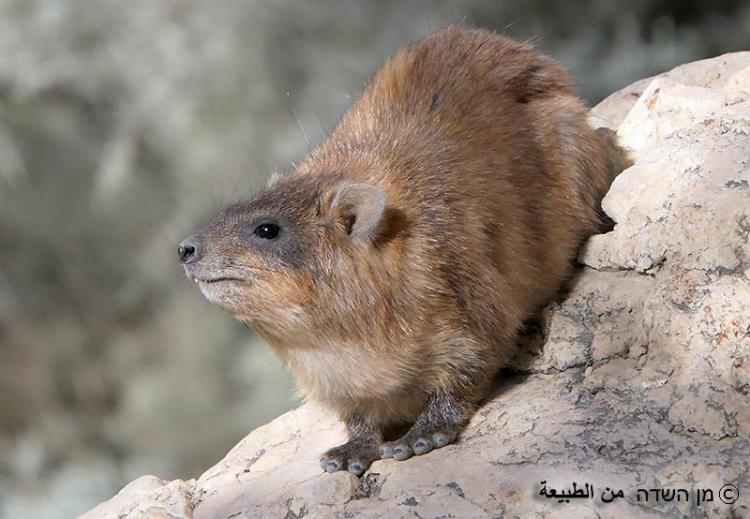
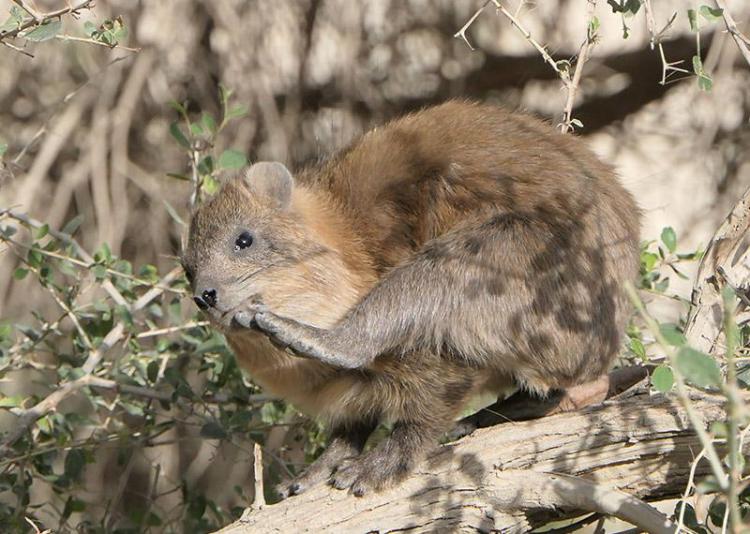
The 21st century is already here: please update the procedures at nature sites and nature reserves so that they are valid. במקום שנפרט כאן מה נדרש נשלח את הממונים לקרוא ולעיין בחומרי ההדרכה שהם טורחים להפיץ, ונסתפק בציטוט אימרת חז"ל "נאה דורש נאה מקיים" ("מקיים" / "קיימות" - מצלצל מוכר?). It is fitting that sites under the responsibility of one of the bodies identified with environmental protection, and certainly those that claim to fulfill an educational role and raise donations, should align themselves and act as they instruct visitors and the general public. At a site under the responsibility of the Society for the Protection of Nature, in such a sensitive and special location, there should be extra care in handling waste and in visitor conduct there. The first evidence of the problem was provided by the foxes on site, as soon as I arrived: so friendly, it seems they are not first-generation beneficiaries of the failure - wild animals feeding on hotel leftovers. With all due sorrow (don't worry - I do not mean animal welfare), I fear we must admit that barbecue culture in reserves does not align with the principles of sustainability and environmental protection. Of course, visitors must be allowed to eat as they wish, but the placement of barbecues on the grounds is interpreted more as a statement than as concern for the well-being of hikers.
Imagine that we were informed (heaven forbid) of the intention of an authority, organization, or private entrepreneur to establish a guesthouse and kiosk in Ein Hava, for example: the franchisee would engage in environmental activity during the week, and at the end of it would operate the site as a hotel and entertainment club for groups - how would we react? There is no doubt we would lead a public struggle against such an initiative: organize demonstrations, recruit scientists, circulate petitions, give interviews to the media networks, and more. Friends in the Society for the Protection of Nature, a unique nature site has been entrusted to you (more precisely - you entrusted it to yourselves): What on earth are barbecues for???
What principles are being conveyed to visitors? What does this have to do with environmental protection?
Only someone who markets snake catching as nature conservation can invent explanations.
Bastards, you've worn us out.
If you are unable to manage the site according to the principles required of nature guardians, it would be better if you ran a shashlik stand in a nearby settlement to supplement the Society for the Protection of Nature's income. This vast oasis should be preserved; we are all committed to that. I have no doubt that during the week you do good for the environment, guide schoolchildren, and more, but that does not atone for this disgraceful conduct.
Crowds of visitors frequent the site; how do they now regard all those environmental 'slogans'? Wait, should cleanliness be maintained? So wild animals must not be fed? Is it allowed to turn springs in the desert into a private business?
It is reasonable that sites of this kind should undergo development processes, including the construction of housing and various businesses: that is entirely legitimate and desirable, but not in this way - they must faithfully follow sustainability guidelines and act for the benefit of the local residents. I would gladly support a camping site operated on the spot by local residents, or one established within a settlement.
Eyal.